VIKING TRIPLE CROWN
OF OPEN WATER SWIMMING™
VIKING TRIPLE CROWN OF OPEN WATER SWIMMING™
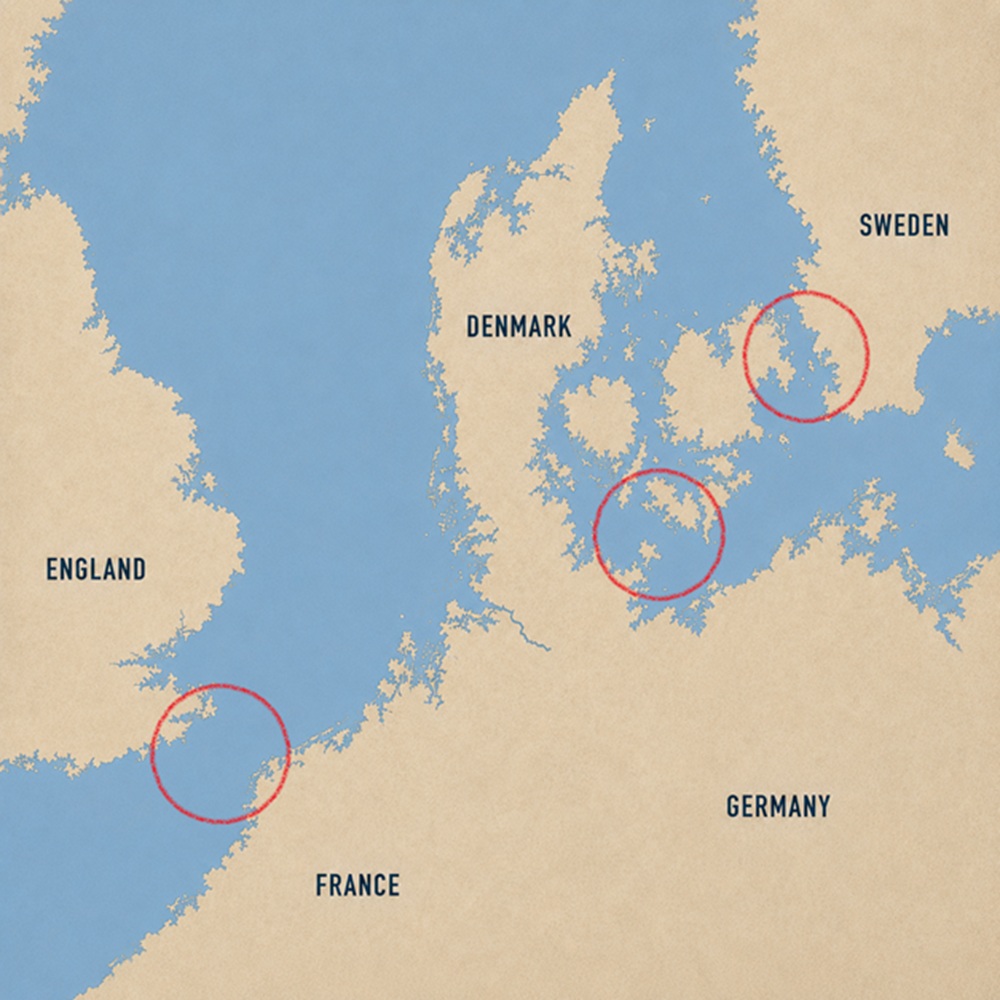
The Viking Triple Crown of Open Water Swimming™ is a marathon swimming challenge comprising three open-water crossings, inspired by the Vikings’ seafaring expeditions during the period from circa 800 to 1050 AD.
The challenge is comparable to other Triple Crown achievements in open water swimming worldwide, while carrying a distinct historical significance rooted in Scandinavian and broader European history.
THE THREE CROSSINGS
The English Channel - SwimÖresund - Beltquerung
Further details about the three Viking Triple Crown crossings, including their historical selection criteria, are provided in the sections below.
Please note
Viking Triple Crown is a long-term project. Therefore, the qualifying crossings may be adjusted if circumstances change. This may, for example, be necessary if a crossing is discontinued, is not held for a period of time, is significantly altered, or if another crossing is considered to be a more appropriate representation of the purpose and spirit of the Viking Triple Crown. Any changes will always be made with respect for the purpose, history, and values of the Viking Triple Crown.
THE ENGLISH CHANNEL
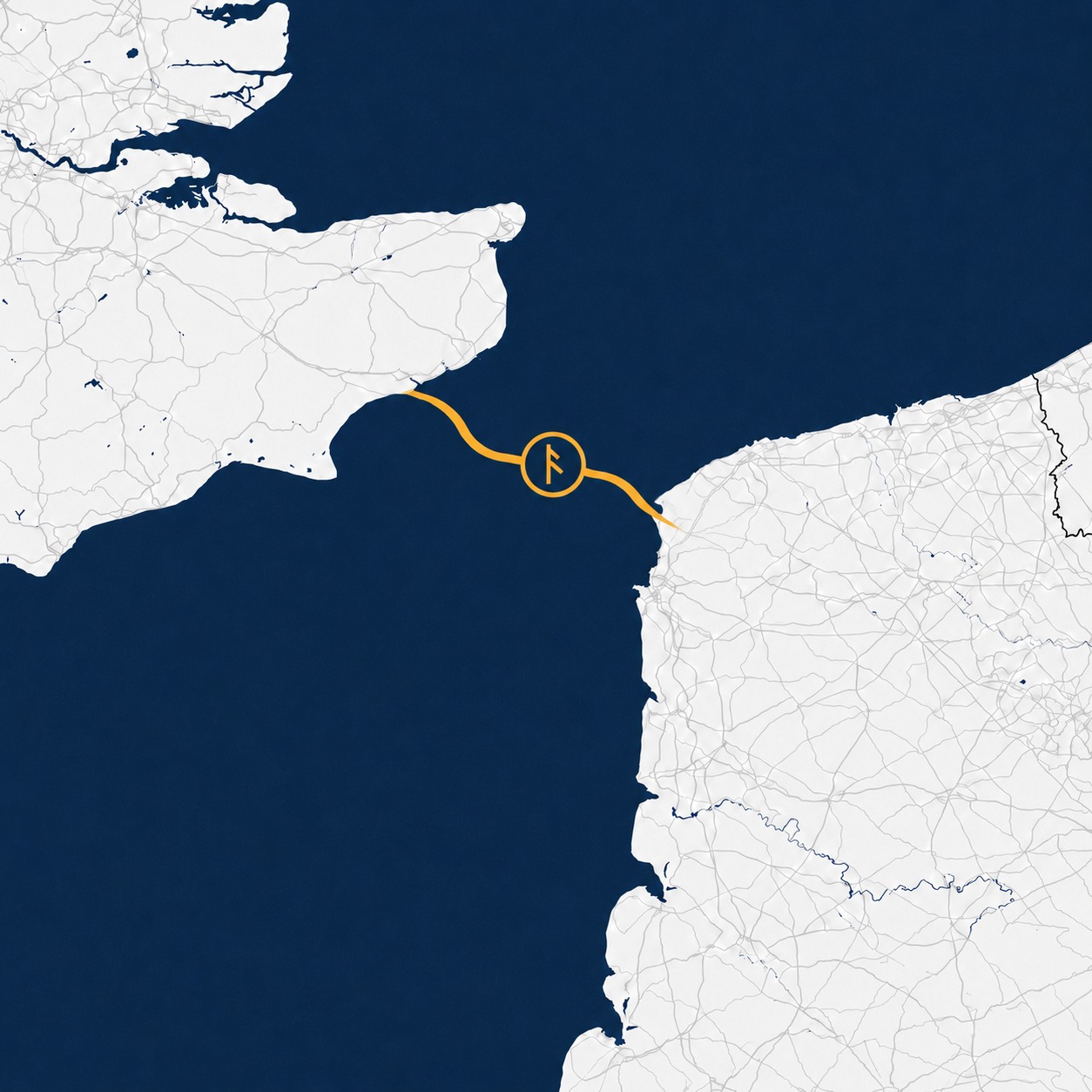
The English Channel crossing is approximately 34 kilometers (18.36 nautical miles) between England and France. To qualify, the crossing must be sanctioned by either the Channel Swimming Association or the Channel Swimming and Piloting Federation.
SWIMÖRESUND
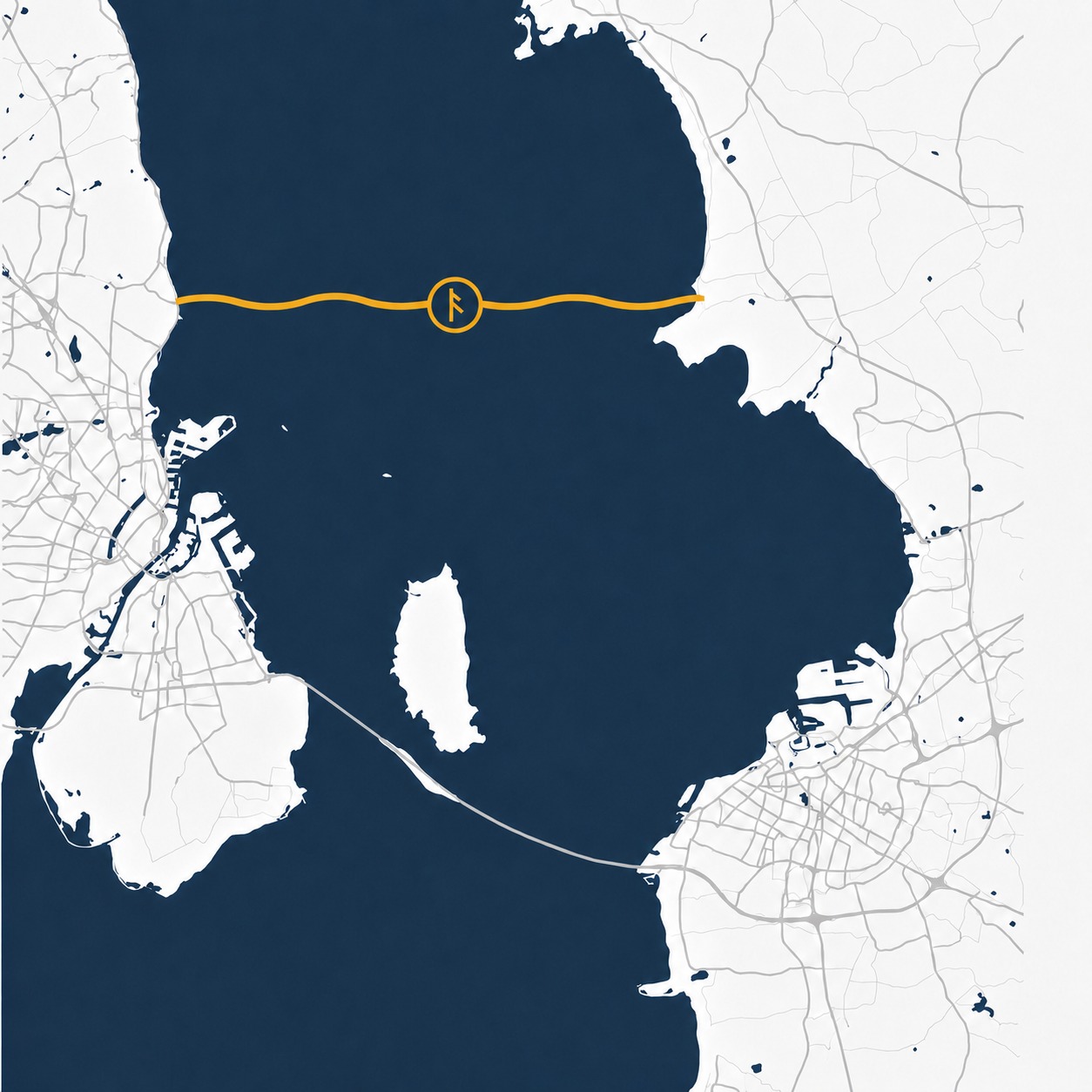
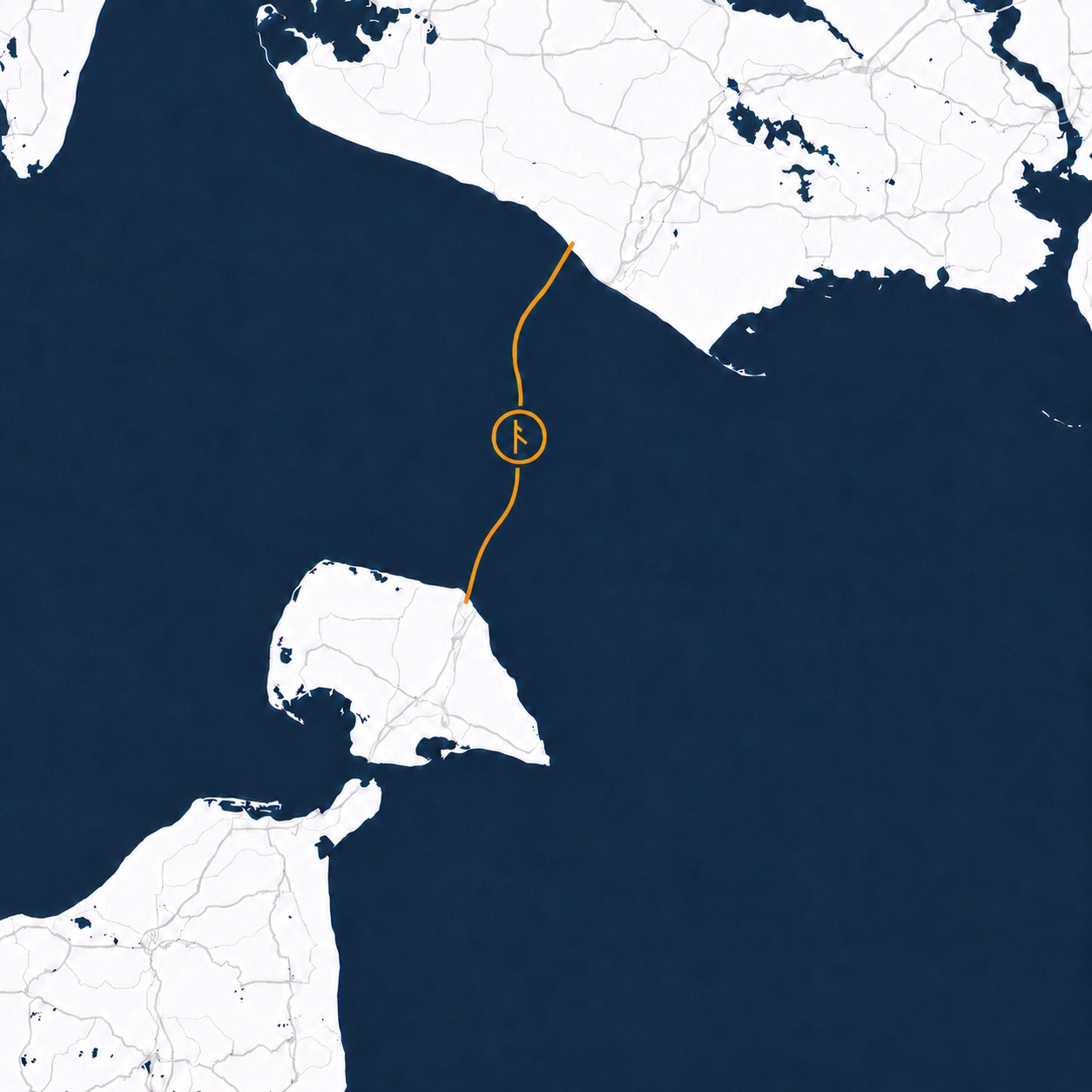
The SwimÖresund crossing is approximately 20 kilometers (10.80 nautical miles) between Denmark and Sweden. To qualify, the crossing must be sanctioned by SwimÖresund.
BELTQUERUNG
The Beltquerung crossing is approximately 18 kilometers (9.72 nautical miles) along the shortest swimmable route between Denmark and Germany.[1] To qualify, the crossing must be sanctioned by Jens Glaeßer (Germany).
[1] According to the Beltquerung website, the Beltquerung crossing is stated to be approximately 25 kilometers long.
THE FOUR GOVERNING BODIES
The four governing bodies listed below are recognized as part of The Viking Triple Crown of Open Water Swimming™
Note: Only swims completed and officially ratified by the official sanctioning body of each respective crossing, under “Unassisted (traditional Channel rules)”, count toward the Viking Triple Crown.
VIKING TRIPLE CROWN FINISHERS
of Open Water Swimming™
OFFICIAL RECOGNITION REQUIREMENT
Swimmers claiming to have completed all three Viking Triple Crown crossings must provide verifiable documentation from the official sanctioning body for each respective crossing, completed under “Unassisted (traditional Channel rules)”. Without such documentation, they will not be considered for official recognition or inclusion on the official Viking Triple Crown list.
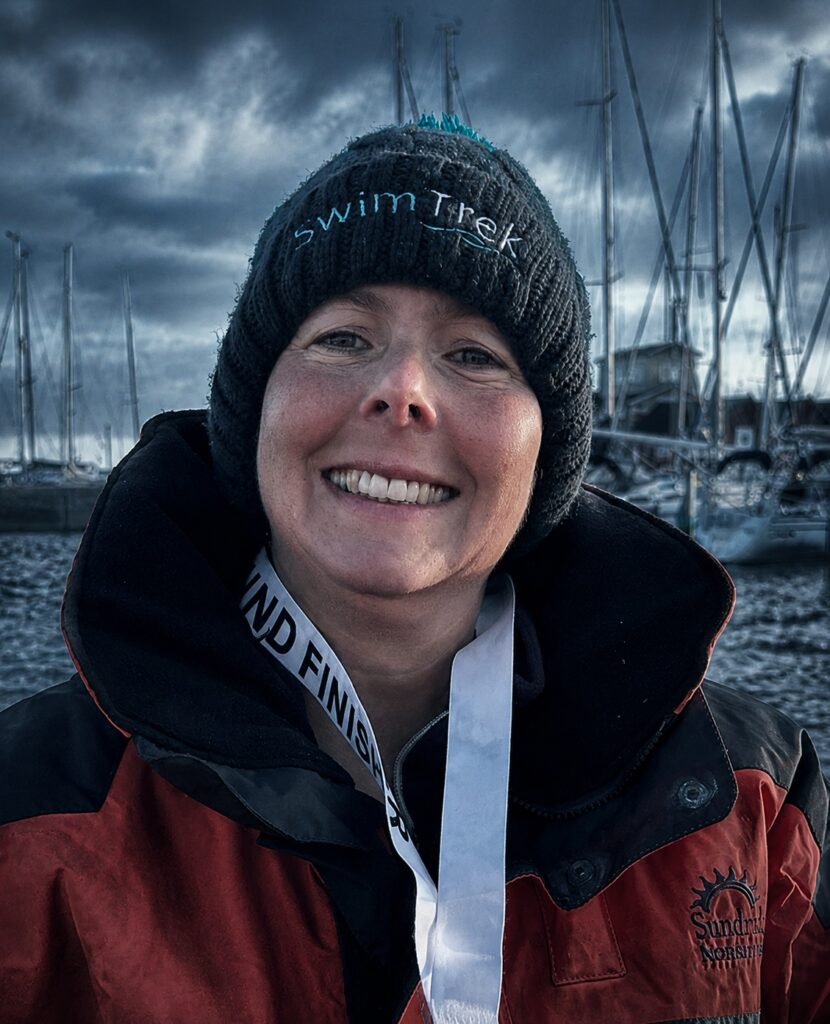
Anke Tinnefeld
DE GERMANY
Completed
English Channel · 22 July 2018
SwimÖresund · 04 August 2023
Beltquerung · 29 August 2015
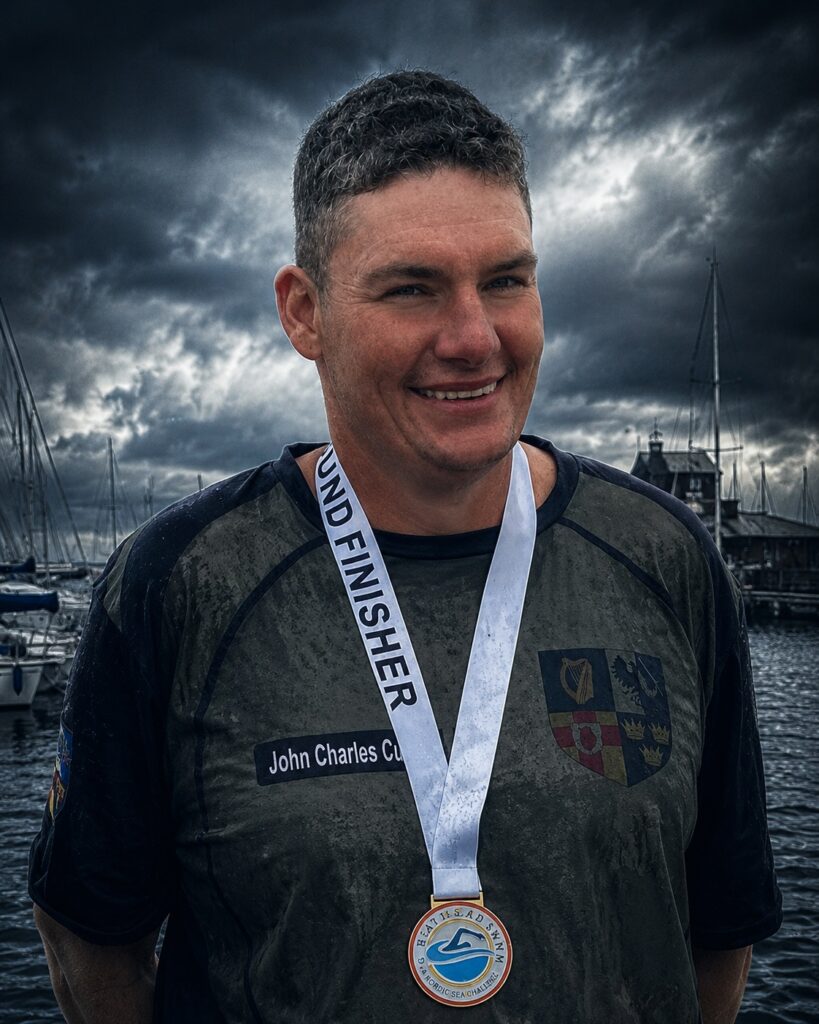
John Curley
IE IRELAND
Completed
English Channel · 16 June 2025
SwimÖresund · 17 June 2023
Beltquerung · 15 June 2023
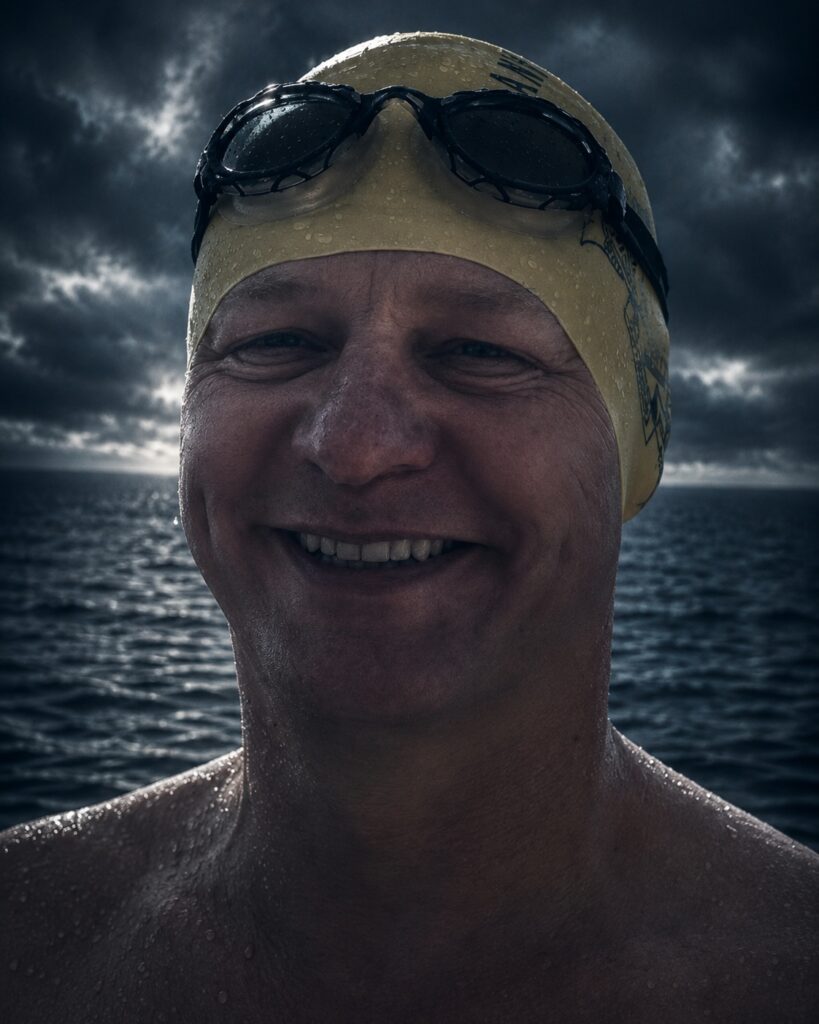
Jörg Schleibaum
DE GERMANY
Completed
English Channel · 23 August 2025
SwimÖresund · 11 August 2022
Beltquerung · 23 August 2019
Viking Triple Crown of Open Water Swimming™
One Crossing Remaining
The following swimmers have completed two of the three official qualifying crossings.
Swipe sideways to view all columns
| Name | Country | English Channel | SwimÖresund | Beltquerung |
|---|---|---|---|---|
| Ben Taylor | Great Britain | 01-07-2021 | 12-07-2024 | — |
| Edie Hu | USA | 05-08-2022 | 18-07-2024 | — |
| Kathleen Wilson | USA | 25-08-2001 | 21-08-2023 | — |
| Laura Wilcox | Great Britain | 18-07-2023 | 08-08-2025 | — |
| Nils Young | Great Britain | 18-08-2016 | 25-08-2025 | — |
| Marcia Cleveland | USA | 29-07-1994 | 12-08-2025 | — |
| Mariel Hawley Dávila | Mexico | 12-08-2011 | 09-08-2022 | — |
| Wen Erh Hsu | Taiwan | 19-07-2024 | 15-07-2025 | — |
If you no longer wish to be included in the above lists, please contact us at vtc.privacy@proton.me
We will then remove your information. Please note that once removed, your information cannot be added to the lists again.
This email address is used only for matters strictly related to the Result List.
Correspondence outside this scope will not be reviewed, acknowledged, or responded to.
THE CERTIFICATES
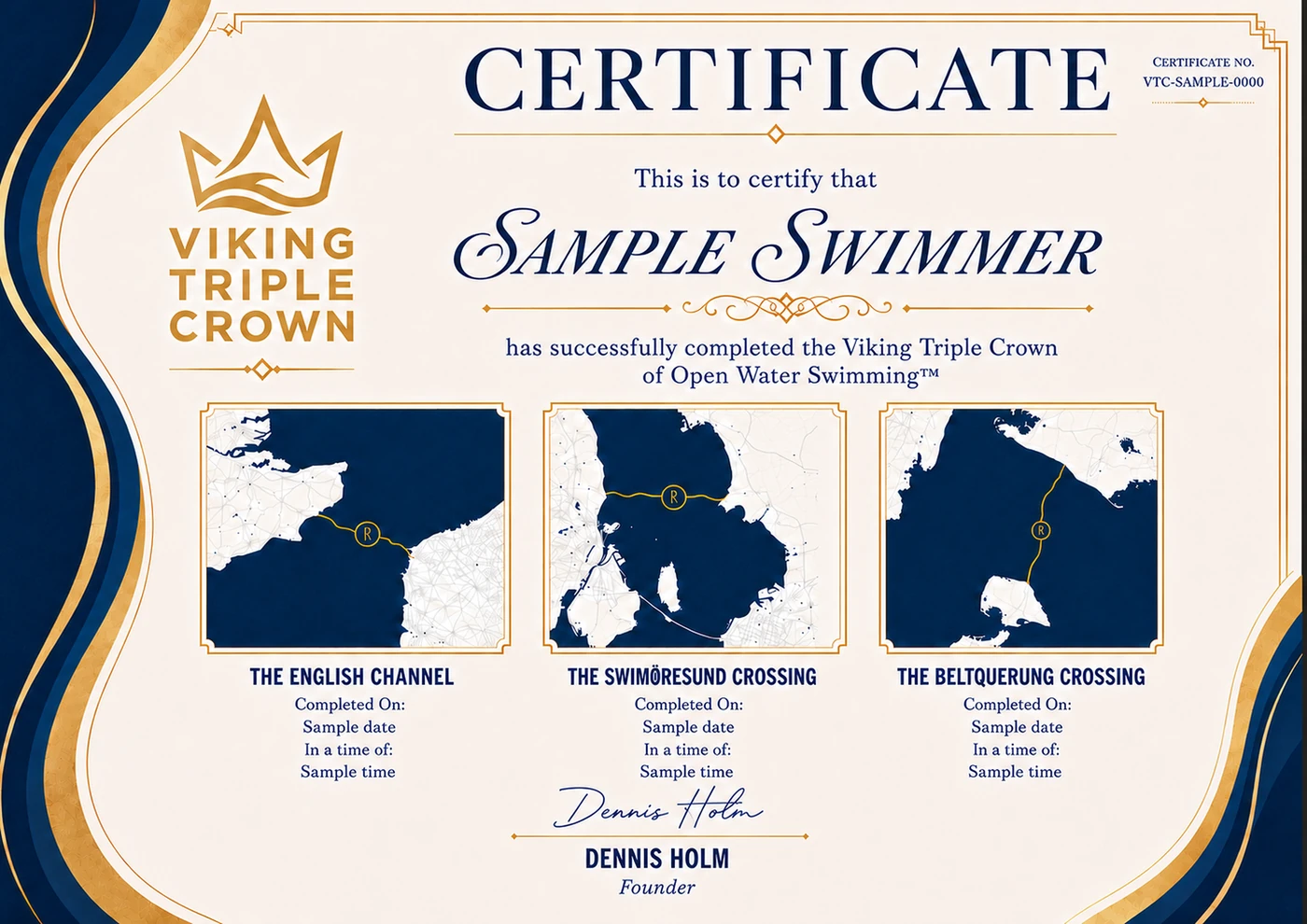
Each certified Viking Triple Crown finisher receives a personal official digital certificate, issued free of charge, showing the three completed crossings, completion dates, swim times, certificate number, and founder recognition. Certificates are issued after verified documentation has been accepted.
ESTABLISHED IN 2021
From concept to an internationally recognized open water achievement
The Viking Triple Crown of Open Water Swimming™ was established in 2021 by Dennis Holm of Denmark, co-founder of SwimÖresund, a WOWSA-certified open water swimming crossing between Denmark and Sweden. The first person to complete the Viking Triple Crown was Anke Tinnefeld of Germany in 2023, marking the inaugural completion of the challenge.
The challenge was officially launched in 2025, when the second and third participants, John Charles Curley of Ireland and Jörg Schleibaum of Germany, successfully completed all three crossings. Their achievements helped establish the Viking Triple Crown as a recognized open water swimming achievement.
SELECTION OF THE VIKING TRIPLE CROWN CROSSINGS
HISTORICAL SELECTION CRITERIA
The three crossings were selected because they represent waters that have played an important role in Viking Age mobility, trade, communication, and access to resources. Each route was chosen for its geographical setting, historical context, archaeological relevance, and potential significance within the wider maritime network of Northern and Western Europe.
THE ENGLISH CHANNEL
The English Channel: Gateway to Viking Expansion
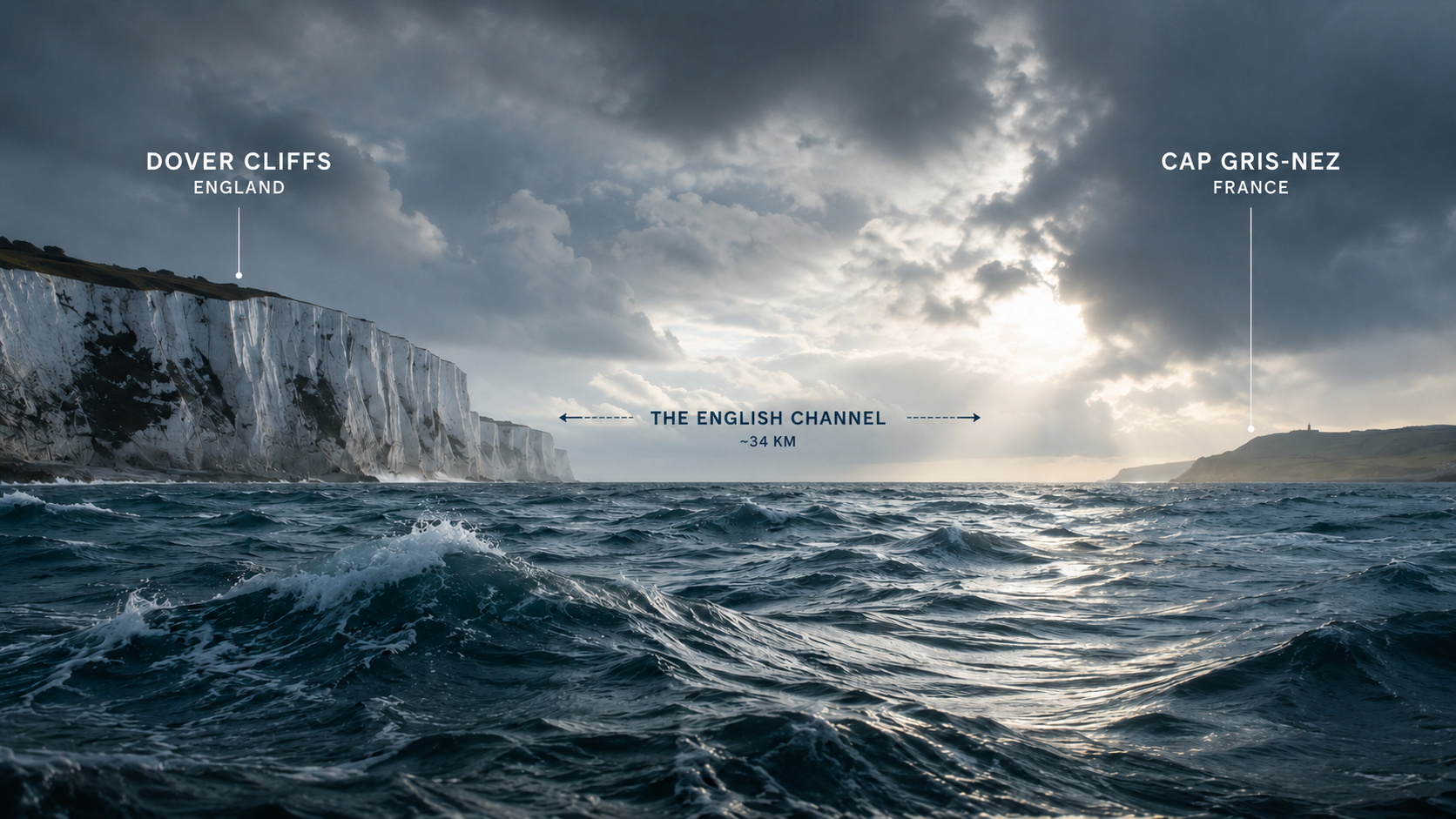
The English Channel was strategically vital to the Vikings because it provided access from the North Sea to both England and northern France, enabling Norse seafarers to reach new regions efficiently for raiding, trading, and settlement. From the late eighth century onward, Scandinavian fleets increasingly targeted coastal settlements, employing well‑built longships and the Channel’s waters to enhance mobility and achieve the element of surprise (Coupland, 2008).
The strategic significance of this maritime route is evident in Viking incursions into Frankish territories. By navigating inland via rivers such as the Seine, Viking forces repeatedly reached major urban centers, including Paris, generating sustained political and military crises for the Frankish kingdoms throughout the ninth century (Coupland, 2008). Concurrently, Scandinavian raids along the English coast became increasingly frequent and impactful during the same period (Hadley, 2001; Richards & Kjølbye‑Biddle, as cited in Rāfield, 2020).
Over time, many Vikings transitioned from raiding to settlement. In England, primarily Danish armies and settlers established the region known as the Danelaw, which reflected sustained Scandinavian influence and political control (Graham‑Campbell, 2001). In Frankish lands, the Viking leader Rollo secured formal territorial rights in 911 through the Treaty of Saint‑Clair‑sur‑Epte, leading to the establishment of Normandy as a Norse-ruled duchy (Coupland, 2008).
Thus, the English Channel functioned not only as a conduit for Viking movement but also as a contested space in which Scandinavian forces confronted local rulers and, at times, one another, shaping the military and diplomatic history of both regions.
Viking utilization of the English Channel demonstrates that it was far more than a geographic divide; it was a strategic maritime artery that facilitated raiding, settlement, and cultural exchange, leaving enduring impacts in both England and France.
The enduring historical importance of the English Channel as a key maritime route for, among other things, movement and cultural exchange continues to shape its modern significance. Its unpredictable tides, heavy shipping traffic, and symbolic role as both a boundary and a connection between nations make it a natural inclusion in the Viking Triple Crown, where swimmers must navigate not only physical demands but also a waterway deeply embedded in European history.
SWIMÖRESUND
The Öresund: A Strategic Maritime Corridor in the Viking Age
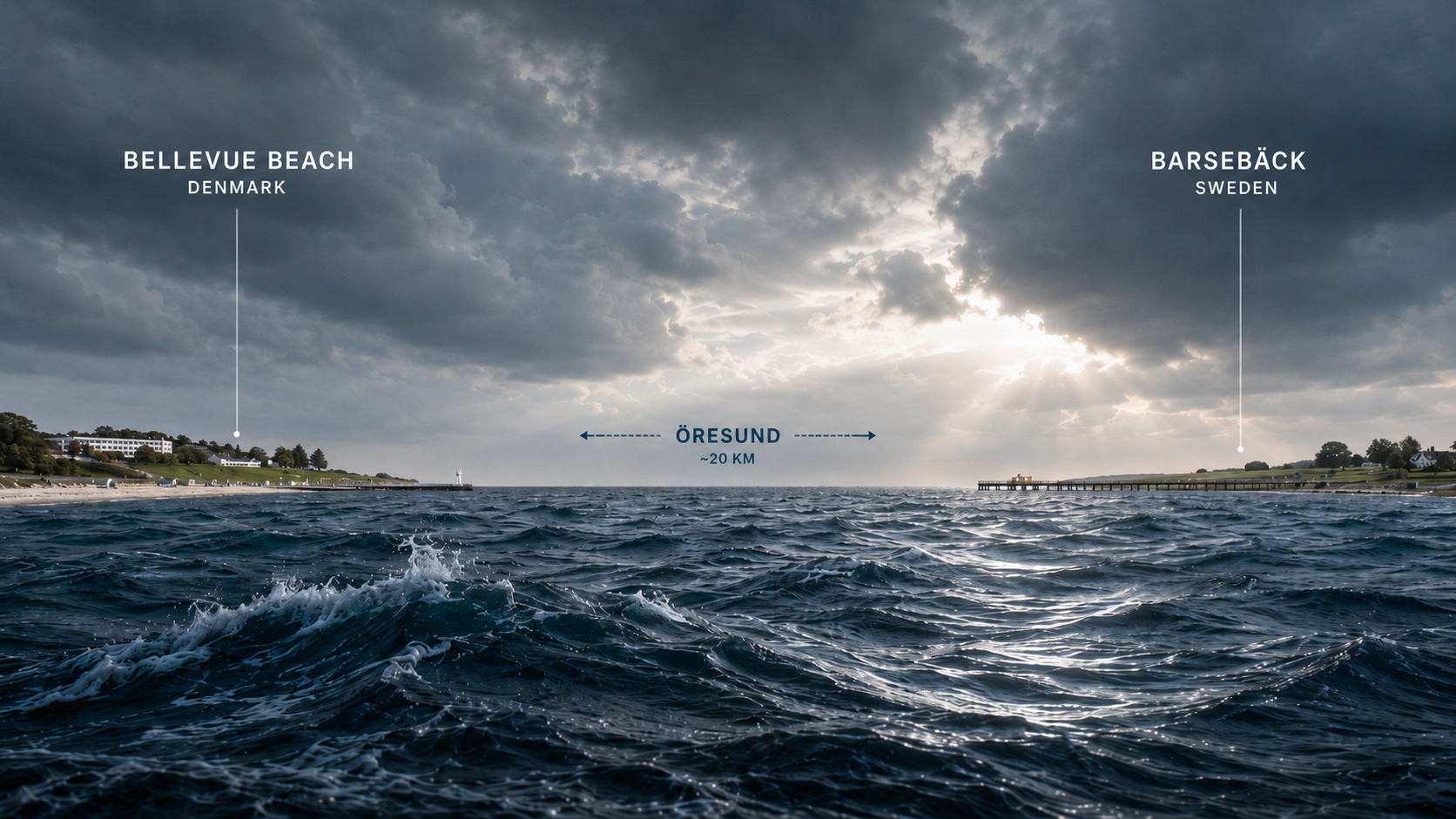
The Öresund, the strait between present-day Denmark and Sweden, was a crucial passage for trade, transportation, and military movements in Scandinavia during the Viking Age. Connecting the Baltic Sea with the North Sea, it held strategic importance as a control point for shipping and customs collection (Sawyer, 2001). Rulers who dominated the strait gained considerable political power by regulating both trade and military access between the two seas (Brink & Price, 2008).
Kings such as Harald Bluetooth (c. 958–986) reinforced this position by expanding the fleet and establishing coastal fortifications, including ring forts such as Trelleborg, which facilitated both defense and surveillance of maritime traffic (Andersen, 1997). The strait also enabled the rapid mobilization of fleets and served as a launching point for raiding expeditions into Western and Northern Europe (Winroth, 2014).
By providing a direct maritime route between the Baltic and North Seas, the Öresund allowed Vikings from eastern Denmark and Sweden to reach the North Sea efficiently, granting access to regions such as England, Germany, and France, highlighting its central role in Viking maritime power (Sawyer, 2001; Winroth, 2014).
The historical and geographical significance of the Öresund as a vital maritime corridor linking the Baltic and North Seas continues to resonate today. Its challenging conditions, strong currents, and symbolic legacy of connection and passage make it a fitting inclusion in the Viking Triple Crown, where endurance, navigation, and respect for historic waterways remain central.
BELTQUERUNG
The Fehmarn Belt and Hedeby: Maritime Connectivity and Trade in the Viking Age
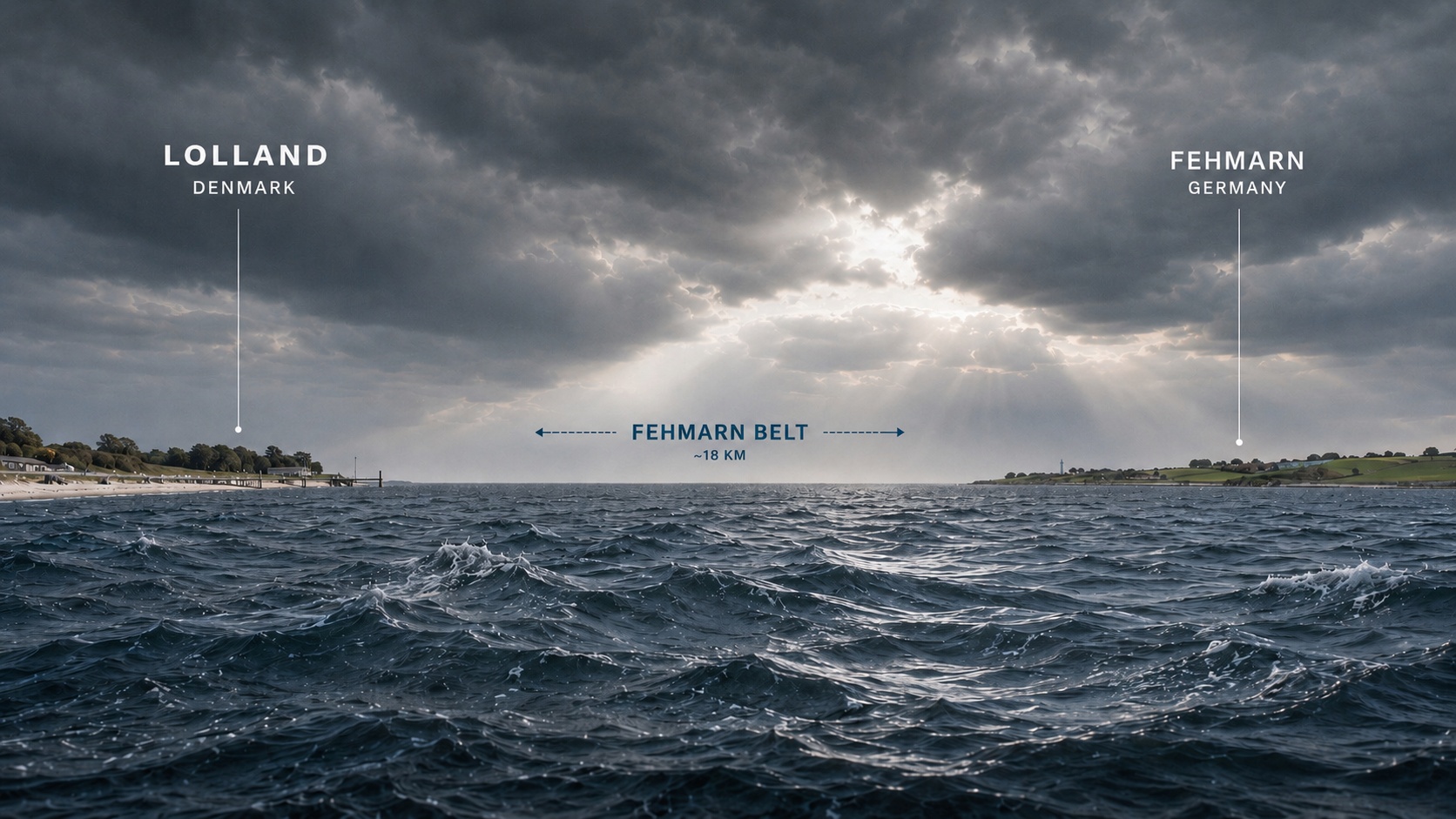
During the Viking Age, both the Fehmarn Belt and the Danish town Hedeby played a central role in connecting Scandinavia with the rest of Europe. The Fehmarn Belt, in particular, constituted a strategically vital maritime corridor, while Hedeby functioned as one of the most important trading centers in the Nordic region. Together, they formed key parts of an extensive trade network that extended far beyond the Nordic region (Kalmring, 2024; Sindbæk, 2005).
The Fehmarn Belt is a strait between Lolland in Denmark and the island of Fehmarn in present-day Germany. The Fehmarn Belt was one of the most important maritime routes in the Viking trade network, as it connected the Baltic Sea with the Danish straits. During the Viking Age, this strait was not merely an important sea route, but a crucial link between the Baltic Sea and the Danish straits. It enabled the movement of goods, people, and cultural influences in both directions. Vikings frequently used this route when sailing to Slavic areas along the southern Baltic coast, where both trading posts and settlements were located (Baug et al., 2019). Due to its strategic and economic significance, the area was also characterized by conflict and naval activity (Sindbæk, 2005).
Hedeby, on the other hand, was one of the largest and most significant trading towns in the Nordic region (Kalmring, 2024). Located on the Schlei fjord in what is now northern Germany, it occupied a key geographical position that made it a natural hub for long-distance trade. Trade routes from Scandinavia, the Frankish Empire, and the Baltic region converged here (Crumlin-Pedersen, 1997). Goods transported through key maritime corridors such as the Fehmarn Belt were brought to Hedeby, where they were redistributed to other parts of Europe and beyond (Baug et al., 2019).
The relationship between the Fehmarn Belt and Hedeby can be understood as a functional integration of transport route and commercial hub within the Viking trade network. The Fehmarn Belt enabled efficient maritime movement, while Hedeby served as a center for exchange and redistribution. Together, they illustrate how the Vikings developed interconnected systems of trade that linked distant regions (Sindbæk, 2005; Kalmring, 2024).
The strategic importance of this region also led to political and military conflicts. After the classic Viking Age, Danish rulers such as Valdemar the Great engaged in struggles with Slavic groups, often referred to as the Wends, in part to secure control over trade routes and regional dominance in the Baltic area (Baug et al., 2019).
Overall, the Fehmarn Belt and Hedeby were crucial components of the Viking world. The Fehmarn Belt functioned as a vital maritime artery, while Hedeby operated as a major economic hub. Their combined roles enabled the Vikings to sustain a far-reaching trade network that connected Scandinavia with large parts of Europe and beyond (Kalmring, 2024; Sindbæk, 2005).
The enduring significance of the Fehmarn Belt as a key maritime thoroughfare is still evident today. Its open waters, changing conditions, and historical role as a link between regions make it a natural part of the Viking Triple Crown, where endurance, navigation, and an understanding of historical routes remain essential.
THE FOUNDER
A Challenge Inspired by the Vikings
The Viking Triple Crown of Open Water Swimming™ was founded and is organized by Dennis Holm of Denmark, co-founder of SwimÖresund.
VISION
A VISION ROOTED IN ENDURANCE AND HISTORY
As this modern challenge draws inspiration from the past, we encourage all swimmers to embrace the endurance, physical demands, and challenges that come with marathon swimming, as well as the rich history of open-water swimming.
Every crossing is not merely a test of distance and conditions, but also a journey marked by determination and respect for the waters that once connected Northern and Western Europe.
Swim with ease and joy.
— Dennis Holm, Founder